Key Advancements in Automatic Veneer Peeling Lines
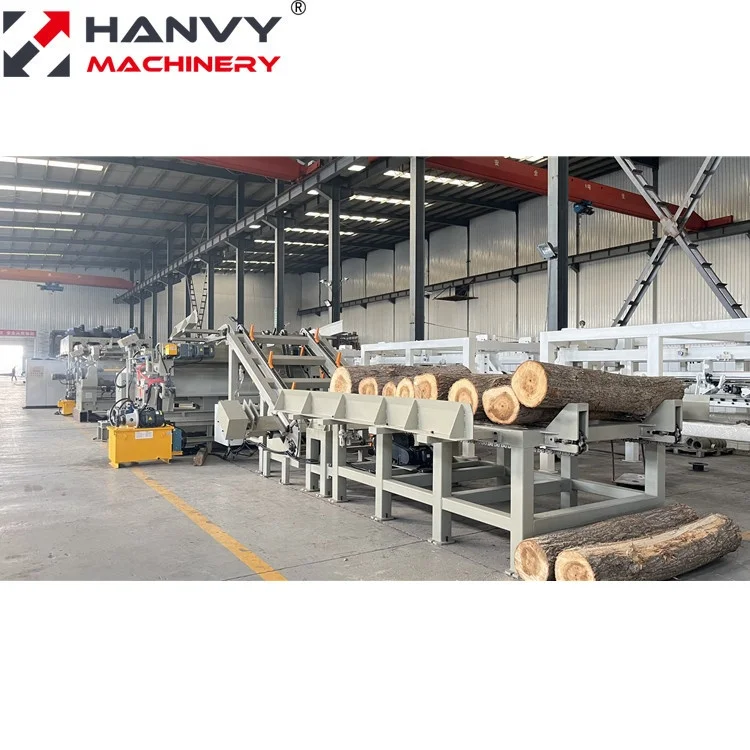
The veneer peeling process requires a log to be processed into thin layers of wood. These are then bonded together to form thin layers of sheet wood called veneer. This is carried out using a special machine called the veneer peeler. This type of work used to be manually done with a lot of elbow grease, which resulted in long delays. When working with modern technology, the help of automated peeling lines has led to faster and easier veneer peeling.
Further innovations made in veneer peeling technology
The deployment of laser scanners represents one more innovative approach to how veneer peeling technology has recently been imagined. Use a log scanner: This will help you read the shape and size of each log. This information ensures the worker operates which side of the log so that veneers can be sliced to precise thickness. This is critical to ensure the veneers are consistent and can be utilized suitably And excellent idea in computercontrolled peeling. Operators are able to observe the peeling taking place as they monitor and manually make adjustments (image Instagram). This Veneer Composer allows the realtime control to reduce waste, less wood be thrown away it results in higher qualities of veneers being produced.
Automatic veneer peeling machines have improved a lot
Automatic Veneer Peeling Machine The greatest advancement in the new generation of automatic wood peeler is its full use for cutting hardwoods. This was much more difficult in the past, as hardwood logs are substantially harder and tough than softwood notes. The development of technology enables machines to peel the toughest kind woods. Moreover, they can work with logs in distinct forms and measures. This is quite critical to the process, as not all of your logs will maintain that same regular shape and being able to work with every shape or size makes it more efficient during production and reduces wasted wood.
Improved Vinyl Wrapping Lines
This cuttingedge automatic veneer peeling lines have ramped up the efficiency of process and reduced wastage in a substantial way. One such improvement has been the introduction of highspeed rotary peeling machines, which are capable to produce veneer at a speed upto 100 meter per minute This means that many more veneers can be made in a much lesser period of time. Another big improvement is the ability to automatically sort and stack veneers according to their size, shape, and quality. This Veneer Clipper gives the opportunity for workers to avoid having procedures made by a handsorting procedure where they will spend their time and energy on other more important functions in manufacturing.
Automation in Veneer Peeling
Automation is revolutionizing the manner veneer peeling features simply by which makes it swifter in addition to much easier pertaining to employees. Automated peeling lines allow operators to produce a larger volume of veneer in significantly less time. This has higher work output leads to costeffective trends saving money and resources for the businesses. In addition, automation means each veneer is sliced to just the right thickness and dimensions that are necessary for quality control. In general, automation is helping the veneer peeling industry to become more competitive and efficient in its operations.
The automated veneer peeling lines made making of such process extremely quick and efficient. The Log Debarker arrival of new ideas in veneer peeling technology, the modern automatic machines and automation changing how manufacturers produce have all played a part significantly. By and large, as the technological trends towards advancements it is probable that veneer peeling industry will continue to develop new methods of increasing efficiency in manufacturing highgrade quality cloths.


Comments
Post a Comment